“You’re crazy to open a restaurant in this economy!”
“Do you know how many restaurants fail in the first year?”
“Why quit your stable job for such a risky venture?”


“You’re crazy to open a restaurant in this economy!”
“Do you know how many restaurants fail in the first year?”
“Why quit your stable job for such a risky venture?”
If these statements sound familiar, you’re not alone. When you share your dream of opening a restaurant, you’ll inevitably face an onslaught of doubters, critics, and well-meaning friends and family who think you’ve lost your mind. According to CNBC, 60% of new restaurants fail within the first year. Statistics like these give plenty of ammunition to naysayers.
But here’s the truth: every successful restaurateur faced critics on their journey. The difference between those who succeed and those who don’t often comes down to how they handle this criticism and whether they can stay focused on their vision despite the noise.
Not all criticism is created equal. When someone expresses doubt about your restaurant dream, it typically falls into one of these categories:
These people care about you and worry about the financial and personal risks involved in opening a restaurant. Their concerns come from a place of love, not doubt in your abilities.
These critics base their feedback on general statistics or second-hand stories rather than understanding your specific concept, skills, or business plan.
These individuals project their own fears and insecurities onto your dream. They couldn’t imagine taking such a risk themselves, so they assume you shouldn’t either.
Sometimes, established players in the industry might subtly discourage newcomers to protect their territory.

When facing criticism about your restaurant dream, ask yourself these questions:
The most powerful defense against doubters is a crystal-clear understanding of why you want to open a restaurant in the first place. Your “why” serves as both motivation and armor.
Take time to articulate your reasons beyond simple platitudes like “I love food” or “I want to be my own boss.” Dig deeper:
Write down your “why” and revisit it whenever doubt creeps in. The restaurateurs who persevere through challenges are those with purposes bigger than profit.
Identify 3-5 people whose opinions you genuinely value and who understand your vision. These might include:
When facing important decisions or doubts, consult this “board” rather than polling everyone in your life.
Not every opinion deserves equal weight. Create mental buckets for the feedback you receive:
Having ready responses to common criticisms helps you stay confident and prevents being caught off-guard:
When they say: “The restaurant industry has such a high failure rate!”
You say: “That’s why I’ve studied successful restaurant models and identified what makes them work. My concept addresses specific gaps in the local market.”
When they say: “Why would you quit your stable job?”
You say: “I’ve calculated the risks carefully and built a financial runway that allows me to pursue this dream responsibly.”

Many naysayers are simply projecting their own fears and limitations onto you. Remember that their doubts often reveal more about them than about your capabilities or concept.
As studies of entrepreneur psychology have shown, risk tolerance varies widely among individuals. What seems recklessly dangerous to one person represents an acceptable calculated risk to another.
The restaurant landscape is filled with concepts that faced initial skepticism but went on to redefine the industry:
Chef Kerry Simon, mentioned in my book, faced doubts when he created upscale versions of comfort foods and nostalgic treats. Critics questioned whether diners would pay premium prices for elevated versions of snack cakes and meatloaf. His success proved that connecting food to emotions and memories creates a powerful dining experience that transcends traditional expectations.
Chipotle faced skepticism about whether fast food could be both quick and high-quality. Founder Steve Ells’ commitment to his vision revolutionized fast-casual dining.
Christina Tosi’s Milk Bar challenged conventional dessert wisdom by celebrating nostalgic, unfussy treats in an era of sophisticated pastry. Critics doubted whether cereal milk ice cream and compost cookies would appeal to sophisticated urban diners. Today, her empire continues to grow.
Perhaps the most challenging critics are those closest to you—parents, spouses, and close friends who worry about your financial stability and work-life balance.
Approach these relationships with both firmness and compassion:
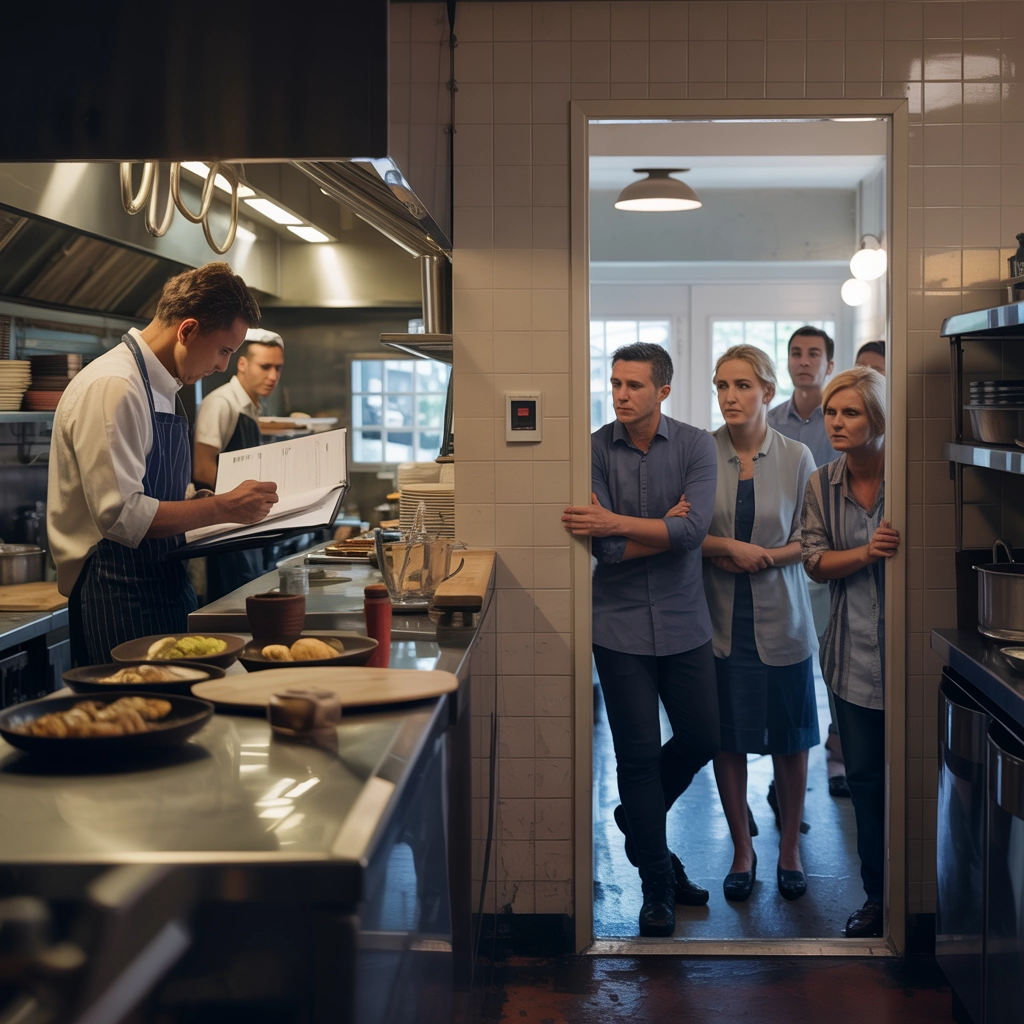
The most successful restaurateurs don’t ignore all criticism—they transform it into fuel for improvement. When faced with doubt:
Remember that food and hospitality trends constantly evolve, and yesterday’s “crazy idea” often becomes tomorrow’s obvious success. Some of today’s most celebrated restaurant concepts were initially dismissed as unmarketable or unsustainable.
The path to restaurant success isn’t about avoiding all criticism—it’s about developing the discernment to know which feedback serves your vision and which simply reflects others’ limitations.
As you move forward with your restaurant dream, keep these final thoughts in mind:
The restaurant industry needs fresh ideas and passionate entrepreneurs. If you’ve done your homework, validated your concept, and feel that unmistakable pull toward hospitality, don’t let doubters extinguish your flame. Instead, let their skepticism strengthen your resolve to prove them wrong.
Are you facing doubters on your restaurant journey? Share your experiences in the comments below and let us know how you’ve handled criticism while staying true to your vision.
Written by Michael Politz, Author of Guide to Restaurant Success: The Proven Process for Starting Any Restaurant Business From Scratch to Success (ISBN: 978-1-119-66896-1), Founder of Food & Beverage Magazine, the leading online magazine and resource in the industry. Designer of the Bluetooth logo and recognized in Entrepreneur Magazine’s “Top 40 Under 40” for founding American Wholesale Floral. Politz is also the founder of the Proof Awards and the CPG Awards and a partner in numerous consumer brands across the food and beverage sector.